















Snoring can be cured by using
sleep apnoea technology
Snoring
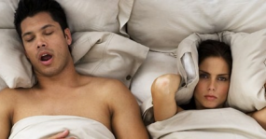
It’s estimated that around 20% of the population snores at night. Snoring isn’t in itself dangerous or harmfull. More men snore than women, with
around one quarter of males prone to snoring. Snoring may also be a symptom of significant sleep-disordered breathing or obstructive sleep
apnoea.
During sleep, the muscles of the soft palate and uvula (the structures found in the back of the throat) tend to relax and vibrate when the person
breathes. This happens both when breathing through the nose or the open mouth. This relaxed tissue vibrates as air moves back and forth
across it, making the snoring noise.
Sleep deprivation and fatigue
Snoring isn’t harmful and can be left untreated with no ill effects, although sometimes a person can snore so loudly that they constantly wake
themselves during the night and this can lead to long-term sleep deprivation and fatigue.
Snoring and obstructive sleep apnoea
In some cases, snoring is part of obstructive sleep apnoea. This occurs when the walls of the throat come
together during sleep and block the airway between the voice box and the back of the nose. After a few seconds,
the sleeper makes a strong breathing effort and restarts breathing. A person with this disorder might wake up
hundreds of times every night. Treatments are available. see our Sleep apnoea page
The typical snorer
Habitual night-time snorers tend to share certain characteristics.
The typical snorer is:
1. Male
2. Aged between 30 and 65 years
3. Overweight
4. May have high blood pressure
5. May be told that snoring is worse with alcohol and with a cold.
Simple remedies for snoring
1. Treating nasal stuffiness,
2. Losing weight see our weight loss page
3. Cutting down on drinking - especially in the hours before bedtime
4. Use a mouthguard fitted by a dentist (called a mandibular advancement splint)
5. Avoid sleeping tablets.
6. Sleep on your side rather than your back.
7. Make sure the air in the bedroom is neither too dry nor too humid.
Surgery is not a permanent cure
Surgery might be considered in extreme cases of snoring. However, the overall effectiveness is doubtfull and there is always a chance that
surgery might only work for a short time or not at all. Surgery is not a permanent cure.
Where to get help
1. Your doctor
2.. Sleep disorder clinic
3. A sleep specialist pharmacy such as ours see Sleep apnoea tests
Things to remember
Snoring is noisy breathing through the mouth or nose due to vibrating the soft tissues of a narrowed throat.
Treating nasal stuffiness, losing weight and cutting down on drinking can reduce the severity of snoring.
A mouthguard has been shown to be effective if fitted properly.
Surgical options include reshaping the soft palate or treating it with laser therapy, but these may not be
successful.

Active Pharmacy 2025

Active Pharmacy
Health - Wellbeing - Fun

Active Pharmacy
Health - Wellbeing - Fun

© Active Pharmacy updated 2025
Snoring
It’s estimated that around 20% of the population snores at
night. Snoring isn’t in itself dangerous or harmfull. More
men snore than women, with around one quarter of males
prone to snoring. Snoring may also be a symptom of
significant sleep-disordered breathing or obstructive sleep
apnoea.
During sleep, the muscles of the soft palate and uvula (the
structures found in the back of the throat) tend to relax and
vibrate when the person breathes. This happens both when
breathing through the nose or the open mouth. This relaxed
tissue vibrates as air moves back and forth across it,
making the snoring noise.
Sleep deprivation and fatigue
Snoring isn’t harmful and can be left untreated with no ill
effects, although sometimes a person can snore so loudly
that they constantly wake themselves during the night and
this can lead to long-term sleep deprivation and fatigue.
Snoring and obstructive sleep apnoea
In some cases, snoring is part of obstructive sleep apnoea.
This occurs when the walls of the throat come
together during sleep and block the airway between the
voice box and the back of the nose. After a few seconds,
the sleeper makes a strong breathing effort and restarts
breathing. A person with this disorder might wake up
hundreds of times every night. Treatments are available.
see our Sleep apnoea page
The typical snorer
Habitual night-time snorers tend to share certain
characteristics.
The typical snorer is:
1. Male
2. Aged between 30 and 65 years
3. Overweight
4. May have high blood pressure
5. May be told that snoring is worse with alcohol and with a
cold.
Simple remedies for snoring
1. Treating nasal stuffiness,
2. Losing weight see our weight loss page
3. Cutting down on drinking - especially in the hours before
bedtime
4. Use a mouthguard fitted by a dentist (called a mandibular
advancement splint)
5. Avoid sleeping tablets.
6. Sleep on your side rather than your back.
7. Make sure the air in the bedroom is neither too dry nor
too humid.
Surgery is not a permanent cure
Surgery might be considered in extreme cases of snoring.
However, the overall effectiveness is doubtfull and there is
always a chance that surgery might only work for a short
time or not at all. Surgery is not a permanent cure.
Where to get help
1. Your doctor
2.. Sleep disorder clinic
3. A sleep specialist pharmacy such as ours see Sleep
apnoea tests
Things to remember
Snoring is noisy breathing through the mouth or nose due
to vibrating the soft tissues of a narrowed throat.
Treating nasal stuffiness, losing weight and cutting down on
drinking can reduce the severity of snoring.
A mouthguard has been shown to be effective if fitted
properly.
Surgical options include reshaping the soft palate or
treating it with laser therapy, but these may not be
successful.
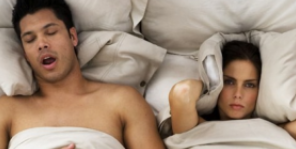
Snoring can be cured by using
sleep apnoea technology
